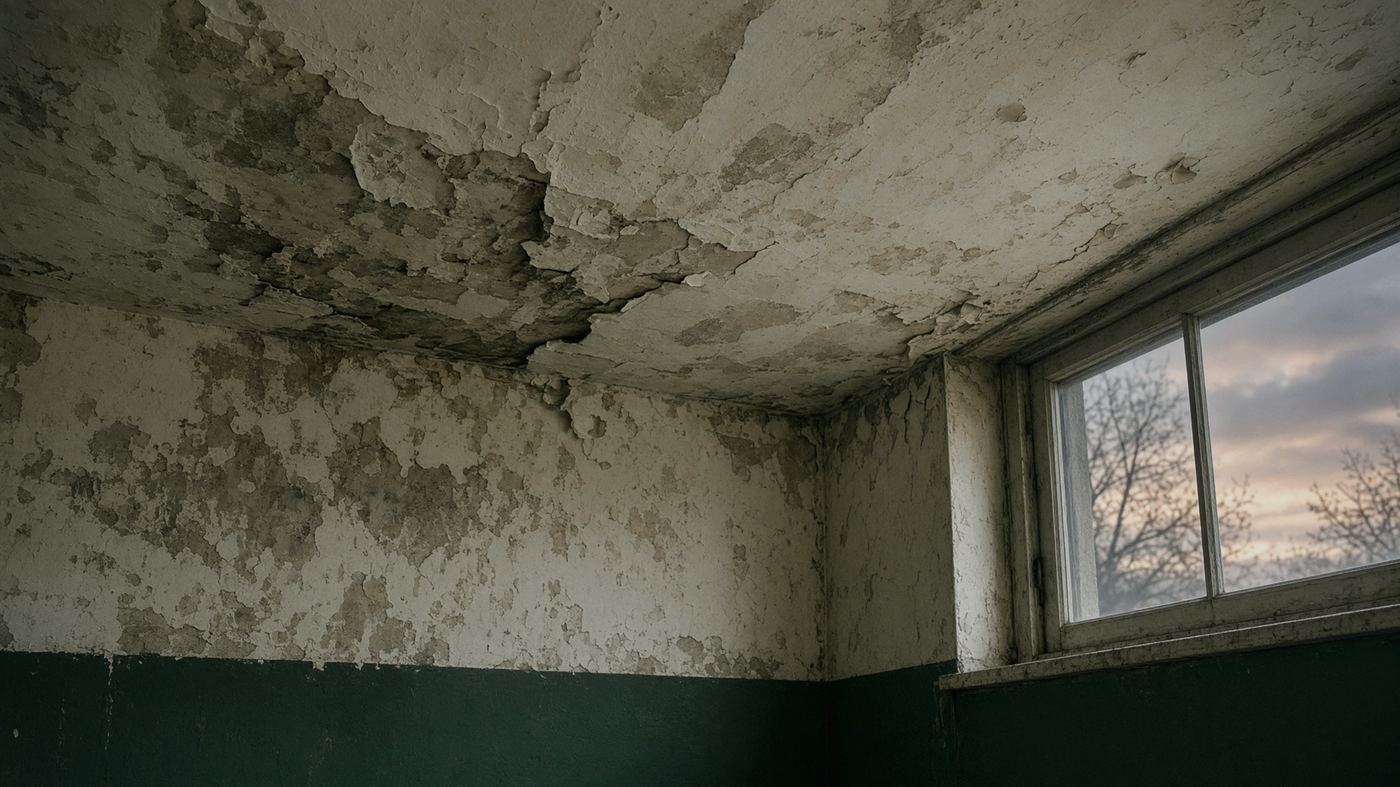
What habitability generally covers
The exact list is set by state statute, by local housing codes, and sometimes by court decisions, so it differs. Conditions commonly addressed across jurisdictions include:
- Heat, and in some places cooling.
- Running water, hot water, and working plumbing.
- Working electrical systems and safe wiring.
- A weather-tight structure — roof, windows, doors, walls.
- Working smoke and carbon-monoxide alarms.
- Freedom from serious pest infestation.
- Safe common areas, stairs and railings.
- Sanitary conditions, including sewage and waste removal.
Mold and indoor air quality are treated inconsistently across states. Some address it directly, some through general habitability or local code, some barely at all. Where moisture is the underlying issue, documenting the water source — a leak, a failed seal, poor ventilation — is often more actionable than the mold itself.
The sequence that works in most places
- 1
Handle safety first
If there is gas, fire, carbon monoxide, or structural danger, that is emergency services, not a repair request.
- 2
Report in writing
A dated written report to the landlord, describing the condition and its effect on the household. Keep a copy. See the repairs guide for what to include.
- 3
Document the condition
Photos and video with intact metadata, temperature readings, a dated log, and receipts for anything the condition forced you to buy.
- 4
Call code enforcement
The city or county building, housing, or health department can inspect and issue notices. Ask for a copy of the report.
- 5
Contact legal aid
Habitability is core legal-aid work. They can tell you what remedies your state actually provides, including any that carry deadlines.
- 6
Keep paying rent unless told otherwise
Withholding rent is lawful in some states under strict conditions and grounds for eviction in others. Confirm before, not after.
If the place becomes unlivable
If a fire, flood, or condemnation forces you out, several separate systems may apply at once: the lease, state habitability law, local relocation-assistance rules if the city has them, renters insurance if you carry it, and disaster assistance if a declaration covers the event. These have different rules and different deadlines.
Practical priorities: get somewhere safe, keep every receipt, get the condemnation or inspection notice in writing, and contact 211 for local emergency housing and legal aid for the tenancy questions.
Subsidized and voucher housing
If your rent is subsidized — a Housing Choice Voucher, project-based assistance, public housing — there is usually a second set of standards and a second office involved: the housing authority or the program administrator, which conducts its own inspections. That inspection process can move on conditions independently of state law, and losing a unit for failed inspection has consequences of its own. Contact the housing authority as well as the landlord, and tell legal aid that the tenancy is subsidized.
Questions to take to legal aid
- What does the warranty of habitability cover in my state?
- Which local office inspects housing conditions at my address?
- What remedies does my state provide when a landlord does not repair a habitability problem?
- Is there a relocation-assistance rule in my city if a unit is condemned?
- Does my state address mold specifically, or only through general habitability and local code?
Common questions
What is the warranty of habitability?
It is the general duty, recognized in most states, for a landlord to keep a rental fit to live in — working heat, safe water, working plumbing and electrical, and freedom from serious hazards. The exact contents come from state statute, local housing code, and court decisions, so they differ from state to state.
Is mold covered?
It depends on the state. Some address mold directly, others handle it through general habitability rules or local housing code, and some address it very little. Documenting the water source — a leak, a failed seal, poor ventilation — is usually more actionable than the mold itself, because the water intrusion is what a landlord is asked to fix.
Who do I call besides my landlord?
Your city or county building, housing, or health department can inspect rental conditions and issue notices to the owner. 211 can route you to local services. Legal aid can explain what your state's remedies actually are. All three are free.
Can I break my lease if the place is unlivable?
Some states allow a tenant to end a tenancy over a serious habitability breach, generally with specific notice requirements and conditions. Others do not, or make it much harder. Because getting this wrong can mean owing rent for the remaining term, confirm with legal aid before giving notice.
The unit was condemned and I had to leave. What now?
Several systems may apply at once — the lease, state habitability law, any local relocation-assistance ordinance, renters insurance, and disaster assistance if a declaration covers the event. Keep every receipt and the written condemnation notice, call 211 for emergency housing, and bring the tenancy questions to legal aid.
Is 'uninhabitable' the same in every state?
No. What a landlord must keep working, and what a tenant may do if they do not, is a state question. Federal law does not set a national habitability checklist for private rentals.
Where do I confirm the habitability rule for my address?
Photograph the condition, write the landlord, and open your state page. Ask the city housing or health department about a complaint process, and ask legal aid before you withhold rent.
Related guides
People also ask
Confirm the rule for your state
All 50 states and DCLast reviewed 8 September 2026. Legal information, not legal advice. Not a law firm. hello@renterprotection.org